Hyperbaric Oxygen Therapy
Hyperbaric oxygen therapy for diabetic foot wounds: when it may be considered, how sessions work, and its limits and risks, in plain language.
Short answer
Hyperbaric oxygen therapy means breathing pure oxygen in sessions inside a pressure chamber. In the diabetic foot it is an add-on, and guidelines suggest considering it for selected wounds with poor circulation that have not healed with standard care. It does not replace wound cleaning, offloading, treatment of infection or procedures to restore blood flow. Your doctors decide together whether it is suitable.
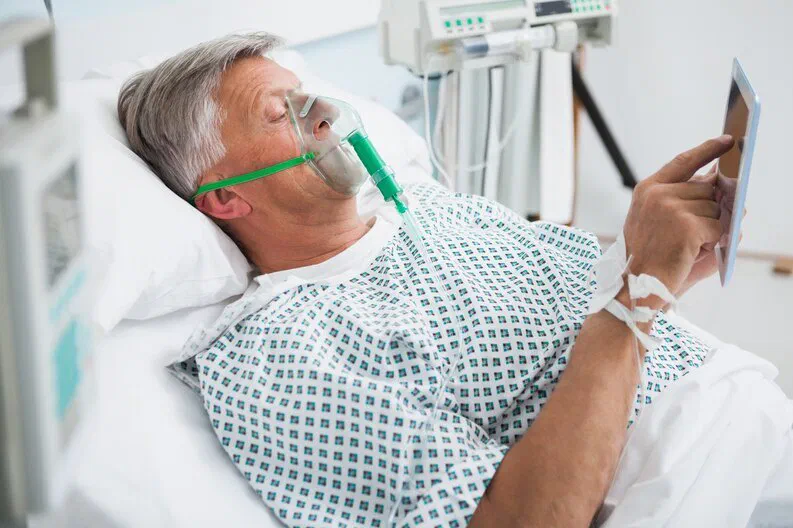
Hyperbaric oxygen therapy means breathing pure oxygen in a closed pressure chamber, at a pressure higher than normal air pressure. Under higher pressure, the blood can carry more oxygen to the tissues than it normally does. In a wound that receives little oxygen, this temporary rise is thought to support healing. The treatment is not a single visit. It is given in sessions, as part of a set programme.
This method is an add-on treatment. It does not take the place of the basic steps a diabetic foot wound needs in order to heal: wound cleaning, keeping weight off the foot, control of infection, restoring circulation and blood sugar control. If these steps are missing, the pressure chamber alone will not close the wound.
Who is it considered for?
International guidelines (IWGDF 2023) suggest considering hyperbaric oxygen in addition to standard care in selected patients when the following apply together:
- The wound has not healed despite well-delivered standard care.
- Poor circulation is part of the picture, meaning the wound is due to nerve damage together with reduced blood flow, or to reduced blood flow alone.
- The blood vessels have been assessed and, where possible, a procedure to improve blood flow has been carried out.
- A properly equipped centre that can give the treatment is within reach.
The decision is not made by one doctor alone. It is a shared decision between the team following the wound and the hyperbaric medicine specialist.
Who is it not suitable for, or not a priority for?
| Situation | Explanation |
|---|---|
| Standard care has not yet been fully applied | Wound cleaning, offloading and suitable dressings are put in place first |
| Circulation has not been assessed | If an artery is blocked, options to restore blood flow are reviewed first |
| Untreated infection or abscess | Antibiotics and, if needed, surgery come first, and oxygen does not replace them |
| A wound due to nerve damage alone, with good circulation | The main treatment for these wounds is offloading, and the role of hyperbaric oxygen is limited |
| Certain lung, heart, ear and sinus conditions | Pressure changes may be unsafe, and suitability is decided by examination |
Understanding why the wound is not closing is always the first step. The page on non-healing foot wounds may help with this.
How is it given and what should you expect?
- Initial examination: The hyperbaric medicine specialist checks your ears, lungs, heart condition and the medicines you take. A chest X-ray and other tests may be requested if needed.
- Preparation: You enter the chamber in cotton clothing. Lighters, electronic devices, oily creams and cosmetic products are not allowed inside for safety reasons.
- Raising the pressure: The chamber is pressurised slowly. You may feel fullness in the ears at this stage, and you clear them by swallowing or by the method you are shown.
- Breathing oxygen: In single-person chambers you breathe the oxygen directly. In multi-person chambers you breathe it through a mask or hood. Staff watch you throughout the session and can talk to you.
- Lowering the pressure: At the end of the session the pressure is brought slowly back to normal.
The number of sessions and the length of the programme are decided by the doctors according to how the wound responds. During the programme your dressings, offloading and other treatments continue unchanged. The wound is reassessed at regular intervals, and if the expected improvement is not seen, continuing the treatment is reviewed.
Limits and risks
Hyperbaric oxygen does not help every patient and gives no assurance that the wound will close. The scientific evidence is not conclusive, which is why the guideline recommendation is cautious and conditional. The treatment also takes time: programmes usually extend over weeks and require regular travel to the centre. For this reason, before starting it is worth asking your doctor what will be expected of you and how often the wound will be reassessed.
Possible side effects are usually mild and temporary:
- Ear pain, fullness or strain on the eardrum
- A feeling of pressure in the sinuses
- A temporary change in eyesight, especially blurring for near or distant vision
- Discomfort in an enclosed space
- A fall in blood sugar during the session
- Rarely, serious side effects related to high oxygen levels, which is why sessions are supervised by trained staff
What can you do?
- Bring a list of all the medicines you take to the first examination.
- Eat before the session and measure your blood sugar. Tell the centre about your diabetes medicines and insulin.
- If you have a cold, earache or sinus trouble, tell the staff before the session.
- Do not smoke. Smoking reduces the oxygen reaching the tissues and works against the purpose of the treatment.
- Keep weight off the wound while the sessions continue. Use the shoe or boot you have been given.
- Do not miss dressing and follow-up appointments.
- If you notice a change in your eyesight, ear pain that does not settle or shortness of breath, tell the doctor giving the treatment.
Assessment in Istanbul
Before hyperbaric oxygen is considered, it needs to be clear whether there is untreated infection or bone involvement in the wound. Prof. Dr. Aytaç Çetinkaya, a specialist in Infectious Diseases and Clinical Microbiology, assesses the infection side of the wound and plans antibiotic treatment. On whether hyperbaric oxygen is suitable, he recommends that the decision is made together with hyperbaric medicine, vascular surgery and the other specialties following the wound. If this treatment has been proposed to you, or if the wound is not progressing despite sessions, you can ask for a second opinion. You can send a photo of the wound and the reports you have via WhatsApp for a preliminary review. A preliminary review does not replace an examination.
Frequently asked questions
Does hyperbaric oxygen help every diabetic foot wound?
Does hyperbaric oxygen open a blocked artery?
Can hyperbaric oxygen replace antibiotics?
What will I feel during a session?
Who may not be suitable?
References
This page is for general information only and does not replace an examination, diagnosis or treatment. In an emergency, call your local emergency number or go to the nearest emergency department.